
Content & Social, Nonprofits
Turning events into digital content
One event can feed your social, blog, and newsletter for weeks. The trick is planning the content before anyone shows up.
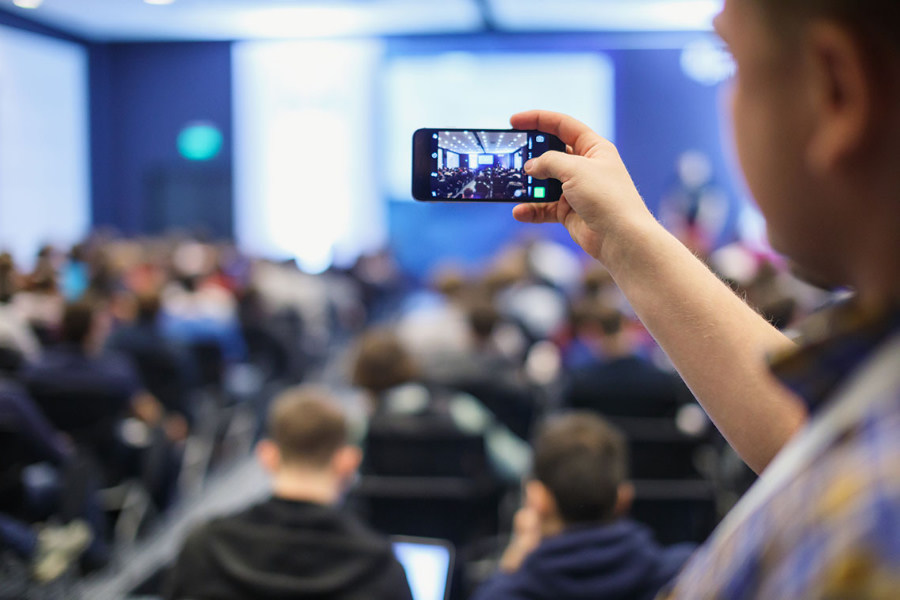
Event marketing is more than just a one-or two-day affair. When done strategically, it can be integrated into your content pillars to showcase your brand or employees in action well before and beyond the event. The true value of an event, whether virtual or in-person, or one hour or one week, goes beyond the singular event—providing an opportunity to create a lasting conversation.
Here are some considerations for every stage of event planning and marketing to turn events into meaningful and effective content for social media, blogs, newsletters, webpages, and more.
1. Before the event
Pre-event planning: While planning for the event, think of opportunities where you’ll want to pull content from. If in-person, plan for where to station cameras and microphones. If online, plan the best way to record the webinar.
Event promotion: Use social media and newsletters to promote the event ahead of time. Build excitement by posting speaker bios, countdowns, and behind-the-scenes set-up.
2. During the event
Be proactive in grabbing photos, setting up cameras and microphones, or taking notes of talking points. Post updates on your Instagram or Facebook story to showcase events happening. If you think you have too many photos, take a few more.
3. After the event.
Within the first few days, take inventory of what content you were able to gather and how that content can be used to achieve your goal. For example, are you looking for bite-sized snippets for social media or an evergreen content page on your website, or something in between?
Long-form opportunities: Consider uploading events like webinars or talks to your YouTube channel and incorporating call-to-actions on your website and social media. Or, clean up the audio to upload as a podcast.
Short-form opportunities: While working with visual and audio event content, clip into micro-content like Reels to hit the high-level view of content or focus on soundbites.
Written content: Blog posts, newsletters, and event summaries offer great ways to focus on the key takeaways to remind attendees of what they learned and provide information for those who couldn’t attend.
FAQs
How do I know what content type is best for me?
Consider your marketing goals outside of the event. Is it awareness? Expertise? Impact? Then consider how different forms of content can fit the goal and where your audience is most likely to engage with them. Focus on these forms of content, but also be prepared to think outside the box to implement new forms of content as needed.
Looking to showcase your expertise to potential clients? Incorporate content from the event into a blog on your website. Looking to increase community engagement and outreach? Share photos and videos of your employees attending the event on social media. Follow the goal, and the strategy will reveal itself. We’re always here to help.
How can I capture audio and video?
Recording audio and video at the event is easier than ever, even for the technologically challenged professionals. You can use your phone, but investing in specialized equipment like cameras and microphones will greatly improve the quality of your content. Give yourself a few extra weeks or months before the event to test the equipment, make sure you feel comfortable with it, and delegate who’s responsible for handling it on event day. The best way to test equipment is to make a test recording using the same conditions as the event. Always plan for easy access to extra batteries or charging stations at the event.
How long should I plan for promotion?
It depends on the scope and length of the event. A one-day networking event can hit the sweet spot of periodic reminders two to eight weeks in advance, while large or multi-day summits can be promoted as early as a year in advance. When deciding the length, consider how much your attendees will need to plan, when tickets are being sold, and what type of event you’re planning.
How long after the event should I share content?
Once again, it depends on the content you’re sharing. A photo of employees at the event may not be relevant more than two weeks after the event, while a video of an employee speaking at the event about their expertise could be reworked to be shared throughout the year. When the content is tied closely to the specific event, use it within eight weeks after the event, but if the content is tied closely to your brand, it may have a much longer shelf life, so use your judgement on how long to continue sharing it.